

11 फ़रवरी, 2026


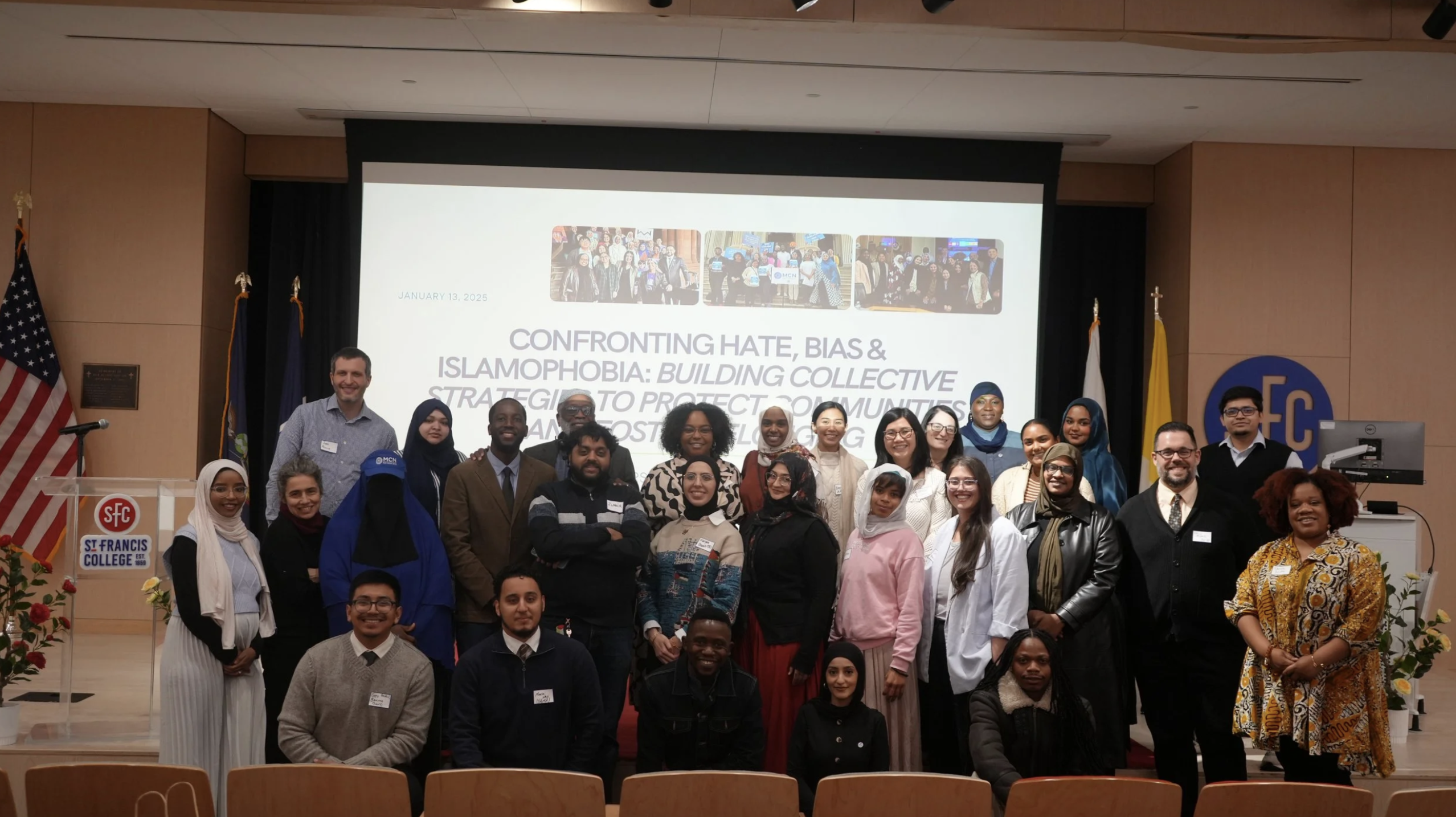
हमने हाल ही में NYC Votes के एक सामुदायिक साझीदार, Muslim Community Network (MCN) से संगठन के कार्य और वे न्यूयॉर्क शहर में जिन समुदायों की सेवा करते हैं उनके बारे में अधिक जानकारी साझा करने को कहा। रुकसाना रूही, एक सिविक एंगेजमेंट फेलो ने मुसलमान, आप्रवासी और वंचित न्यूयॉर्क निवासी जिन रोज़ाना की चुनौतियों का सामना करते हैं, उन्हें संबोधित करते हुए समानता, नेतृत्व और नागरिक शामिलगिरी को बढ़ाने के MCN के काम के बारे में महत्वपूर्ण जानकारी दी। इस प्रश्नोत्तरी में उनके कार्य के बारे में अधिक जानें।
हमें MCN, आप जिनके साथ काम करते हैं उन लोगों, और NYC में उनके रोज़मर्रा के जीवन के लिए सबसे महत्वपूर्ण मुद्दों के बारे में कुछ बताएं।
MCN सामुदायिक शिक्षा, नागरिक शामिलगिरी, नेतृत्व विकास और वकालत के ज़रिए यूनाइटेड स्टेट्स में मुसलमानों के अनुभव को पुनःपरिभाषित करने और मज़बूत बनाने को समर्पित है। हमारा काम उन समुदायों के लिए समानता, गरिमा और संबद्धता को बढ़ाने पर आधारित है, जिन्हें अक्सर वंचित किया जाता है या कम संसाधन उपलब्ध कराए जाते हैं।
MCN के मुख्य कार्यक्रमों में युवा नेतृत्व का विकास, महिलाओं के लिए कार्यक्रम, नफरत के अपराधों की रोकथाम, विविधता और अंतर-धर्म शिक्षा, आप्रवासी अधिकार कार्यशालाएं और सामुदायिक मामला प्रबंधन जो लोगों औऱ परिवारों को बाल देखभाल और अन्य सहायताओं जैसी महत्वपूर्ण सामाजिक सेवाओं से जोड़ते हैं। हम हर माह सूप किचन भी आयोजित करते हैं, वोटर रजिस्ट्रेशन और नागरिक शिक्षा कार्यशालाएं आयोजित करते हैं और पूरे न्यूयॉर्क शहर में निरंतर अंतर-धर्म और गठबंधन आधारित कार्य करते हैं।
हम एक विस्तृत और विविधतापूर्ण समुदाय की सेवा करते हैं - सभी धर्मों, पार्श्वभूमियों और पहचानों के लोग - जब कि केन्द्र में है जातीय, मूल वंशीय और सामाजिक-आर्थिक रेखाओं पर मुस्लिम समुदाय।
हम जिनके साथ काम करते हैं ऐसे कई लोग आप्रवासन स्थिति, आय में असमानता, भाषा पहुंच और भेदभाव से जुड़े प्रणालीगत अवरोधों का सामना करते हैं। उनके रोज़मर्रा के जीवन को सबसे ज्यादा प्रभावित करने वाली समस्याओं में हाउसिंग की वहनीयता, सामाजिक सेवाओं तक पहुँच, सार्वजनिक सुरक्षा, शिक्षा, आर्थिक स्थिरता और अर्थपूर्ण रूप से नागरिक जीवन में हिस्सा ले पाने की क्षमता शामिल हैं। MCN एक ऐसे भविष्य की कल्पना करता है, जहाँ विविध समुदाय संयुक्त रूप से न्याय, शांति और समावेश के लिए वकालत करने के लिए सशक्त हों, और जहाँ परस्पर समझ और जवाबदेही आदर्श हों।
आपका समुदाय शहर का अनुभव कैसे करता है और MCN उनकी इससे गुज़रने या इन अनुभवों को आकार देने में कैसे मदद करता है?
हमारे समुदायों के न्यूयॉर्क सिटी का अनुभव करने का कोई एकल तरीका नहीं है। कई लोगों के लिए रोज़ाना का जीवन माँगों से भरे काम के शेड्यूल, देखभाल की ज़िम्मेदारियों को संतुलित करने और जीवनयापन की लागत और साथ ही मज़बूत पारिवारिक और सामुदायिक संबंध बनाए रखने की जद्दोजहद से परिभाषित है। ये दबाव अक्सर प्रणालीगत असमानताओं, भेदभाव और ऐसी नीतियों के द्वारा बढ़ते हैं जो डर और अस्थिरता उत्पन्न करती है, खास कर आप्रवासी, मुसलमान और अन्य वंचित समुदायों के लिए।
MCN समुदाय के सदस्यों की शहर के अनुभवों से गुज़रने और उन्हें आकार देने में मदद करने के लिए सुरक्षा, समावेश और सशक्तिकरण के पथ बनाता है। हमारे प्रोग्रामिंग के द्वारा, हम लोगों को आर्थिक, डिजिटल और नागरिक साक्षरता जैसे व्यवहारिक साधनों से सुसज्जित करते हैं; आप्रवासी अधिकार कार्यशालाओं के द्वारा अपने अधिकार जानें शिक्षा प्रदान करते हैं और सुरक्षा, समझ और उत्तरदायिता को प्रोत्साहित करने के लिए नफरत के अपराधों की रोकथाम और विविधता की शिक्षा प्रदान करते हैं। हमारे युवा और महिलाओं के प्रोग्राम नेतृत्व के पाइपलाइन बनाते हैं और ऐसे स्थानों को अनुमोदित करते हैं जहाँ प्रतिभागी कौशल बढ़ा सकें, चिंताओं को व्यक्त कर सकें और सक्रिय रूप से अपने स्कूलों, पासपड़ोस और समुदायों को आकार दे सकें। केस मैनेजमेंट के ज़रिए हम सिटी एजेंसियों के साथ संयोजन में लोगों को हाउसिंग सहायता, यूटिलिटीज़ सहायता, आप्रवासन सेवाओं और सार्वजनिक लाभों को जोड़कर शहर की प्रणालियों से गुज़रने में मदद करते हैं।
हमारे सारे कार्य में, MCN साझा देखभाल, नागरिक सहभागिता और अंतर-समुदाय सहयोग को पोषित करके शहर के सामाजिक ताने-बाने को मज़बूत बना कर सुनिश्चित करता है कि न्यूयॉर्क शहर अधिक सुरक्षित, अधिक समावेशी और उसे घर कहने वाले लोगों के लिए अधिक प्रतिक्रियात्मक हो।
आपके समुदाय के सदस्य वोट देने, आवाज़ उठाने या सूचित रहने के मामलों में सिटी में कैसे हिस्सा लेते हैं?
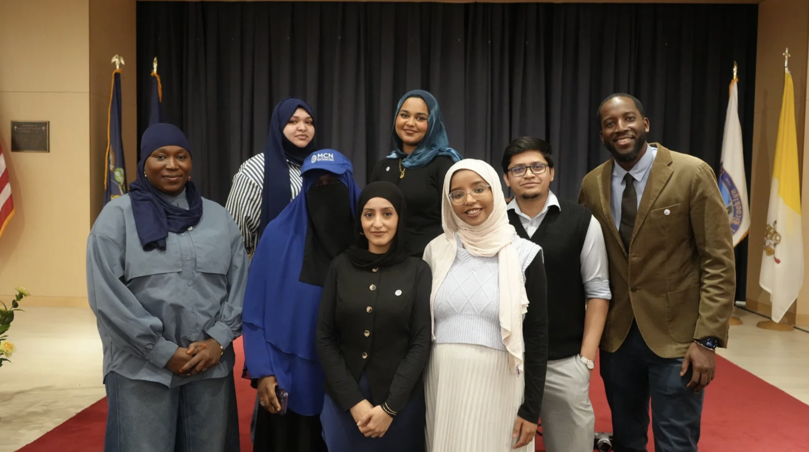
समुदाय के सदस्य नागरिक जीवन में गहराई से शामिल हैं और अपने शहर को आकार देने में हिस्सा लेने को उत्सुक हैं। कई लोग सक्रिय रूप से वोट देते हैं, वोटर रजिस्ट्रेशन कार्यक्रमों में मौजूद रहते हैं औरआने वाले चुनावों, उम्मीदवारों और मतपत्र पहलों के बारे में जानकारी खोजते हैं। आप्रवासन स्थिति या अन्य कानूनी अवरोधों के चलते वोट देने के योग्य नहीं हैं उन लोगों में भी सूचित रहने और अपने समुदायों के कल्याण में अर्थपूर्ण योगदान देने की गहरी इच्छा है।
लंबे कार्य घंटे, देखभाल के दायित्व, भाषा पहुंच और वंचित इलाकों में सीमित आउटरीच जैसे अवरोध अक्सर नागरिक सहभागिता को अधिक मुश्किल बनाते हैं, कम महत्वपूर्ण नहीं। इन चुनौतियों के बावजूद, समुदाय के सदस्य नियमित रूप से अपनी चिंताओं को प्रार्थना स्थलो, सामुदायिक समारोहों, परस्पर सहायता प्रयासों और स्थानीय व्यवस्थापन के द्वारा व्यक्त करते हैं। MCN ने मस्जिदों में और उनके आसपास वोटर रजिस्ट्रेशन और नागरिक शिक्षा को सुगम किया है, जहाँ समुदाय के सदस्य अपने मन से वोटिंग समय रेखाओं, पात्रता और नागरिक प्रक्रियाओं के बारे में महत्वपूर्ण जानकारी साझा करते हैं।
कई लोग विश्वसनीय सामुदायिक नेटवर्कों के ज़रिए भी सूचित रहते हैं, जिनमें WhatsApp ग्रूप चैट, सोशल मीडिया प्लैटफ़ॉर्म और किसी की कही हुई बात शामिल हैं।
नागरिक शामिलगिरी में वोटिंग के अलावा भी कई चीज़े हैं, जिसमें स्वयं सेवा करना, एकदूसरे की मदद करना और सामुहिक देखभाल, जैसे कि भोजन तैयार करना, संसाधन साझा करना और पड़ोसियों काी सहायता करना शामिल हैं।
ये कार्रवाइयाँ सामुदायिक दायित्व और नागरिक शामिलगिरी के प्रति एक दृढ़ प्रतिबद्धता दिखाती हैं, तब भी जब औपचारिक ज़रिए पहुँच योग्य न हों।
वोट देने या सिटी के साथ संबंध बनाने के बारे में लोगों को सब से ज्यादा बार कौन से सवाल या चुनौतियाँ होती हैं, और आप जानकारी में सब से बड़ा अंतर कहाँ देखते हैं?
कुछ सबसे आम सवाल और चुनौतियाँ पात्रता से जुड़े होते हैं, खास कर ऐसे लोगों के लिए, जिनका आपराधिक कानून प्रणाली से पहले संबंध रहा हो या फिर ऐसे लोग, जो अब तक यू.एस. के नागरिक नहीं हैं, जिनमें ग्रीनकार्ड धारक और अन्य आप्रवासन स्थितियों वाले लोग शामिल हैं। कई लोग अपने अधिकारों के बारे में पूरी तरह नहीं जानते हैं या तो मानते हैं कि वे स्थायी रूप से नागरिक सहभागिता से हटा दिए गए हैं, जबकि ऐसा होता नहीं है। जानकारी की सर्वाधिक कमी निम्न-आय वाले और वंचति समुदायों में हैं, खास कर BIPOC यानी कि ब्लैक, मूल नागरिक और अश्वेत समुदायों में। कई निवासियों को चुनाव, उम्मीदवारों और वोट देने की प्रक्रिया के बारे में स्पष्ट, सांस्कृतिक रूप से प्रतिक्रियात्मक और बहुभाषी जानकारी तक पहुँच प्राप्त नहीं है। ये अंतर युवाओं में खास कर अधिक देखे जाते हैं, जो अक्सर बड़ी पीढ़ियों की तुलना में कम लक्षित नागरिक शिक्षा प्राप्त करते हैं।
वोटिंग के अलावा शहर के साथ कैसे जुड़ना, जैसे कि यह समझना कि स्थानीय निर्वाचित अधिकारी कौन हैं, उनकी क्या भूमिकाएं और दायित्व हैं, और मतदाता किस तरह से प्रभावी ढंग से उनसे संपर्क कर सकते हैं, अपनी ज़रूरतों की वकालत कर सकते हैं या उन्हें स्थानीय राज्य या संघीय स्तर पर उत्तरदायी ठहरा सकते हैं, इस बारे में पहुँचयोग्य जानकारी की भी बहुत कमी है। समानतापूर्ण नागरिक सहभागिता और अधिक प्रतिक्रियात्मक सिटी की सरकार सुनिश्चित करने के लिए इन अंतरों को पाटना ज़रूरी है।
NYC Votes के साथ काम करना MCN के अब तक के काम के साथ कैसे फिट बैठा है, और उनका समर्थन आपके समुदाय के लिए उपयोगी या अर्थपूर्ण किस वजह से है?
NYC Votes के साथ काम करने से MCN की नागरिक शामिलगिरी बढ़ी है और वोटरों को शिक्षित करने के प्रयास विस्तारित हुए हैं। संसाधनों, टूल्स और निष्पक्ष जानकारी ने अक्सर कम प्रतिनिधित्व पाने वाले या परंपरागत आउटरीच में शामिल न कि जाने वाले समुदायों में सटीक, पहुँच योग्य और सांस्कृतिक दृष्टि से प्रतिक्रियात्मक नागरिक शिक्षा प्रदान करने की हमारी क्षमता को मज़बूत बनाया है। उदाहरण के लिए उनके पास वोटरों को चुनाव की तिथियों/समयों, अपने मतदान स्थल का पता लगाने का तरीका, वोट करने का तरीका, मतपत्र पर क्या है और वोट क्यों दें यह भी (जिसमें स्थानीय, राज्य और संघीय अधिकारियों की ज़िम्मेदारियों को स्पष्ट किया गया है) इस सबकुछ तक आसानी से समझने योग्य तरीके से पहुँच बनाई जा सके ऐसे शामिल करने के संसाधन हैं। इस वेबसाइट को कई विविध भाषाओं, जैसे बंगाली, ऊर्दू, अरबी, फ्रेंच और कई अन्य अन्य भाषाओं में अनुवादित किया जा सकता है, जो हम जिनकी सेवा करते हैं उन समुदायों के लिए उपयोगी है।
NYC Votes का समर्थन विशेष रूप से अर्थपूर्ण है क्योंकि यह वोटर रजिस्ट्रेशन, चुनाव समयरेखाओं और मतपत्र संबंधी जानकारी को लोग जहाँ हों वहाँ उपलब्ध करवा कर प्रतिभागिता में अवरोधों को कम करता है। इस साझीदारी के ज़रिए, MCN पात्रता को बिना ध्यान में लिए समुदाय के सदस्यों को सूचित, शामिल और लोकतांत्रिक प्रक्रिया से जुड़ा हुआ रहने के लिए सशक्त करने के लिए बेहतर सुसज्जित रहा है, जिससे पूरे न्यूयॉर्क शहर में एक अधिक समावेशी और उत्तरदायी नागरिक संस्कृति को सहारा मिला है।
MCN और उनके मिशन, प्रोग्रामिंग और सामुदायिक पहलों के बारे में अधिक जानकारी के लिए, उनकी वेबसाइट पर जाएं।